Introduction: Linen bag basics in a world of fast-fashion
Linen has a storied relationship with human life: a fabric woven from the flax plant that has clothed travelers, traders, and homemakers for centuries. Its appeal lies not only in a natural sheen and a dry, cool hand, but in the way it breathes—allowing air to circulate and moisture to wick away. When repurposed into bags, linen becomes a tactile companion for daily errands, shopping trips, and fleeting moments of travel. This guide embraces that heritage while offering accessible, beginner-friendly projects that honor craftsmanship and sustainability.
The word “DIY” here signals agency—step-by-step methods that demystify sewing, hand-stitching, and upcycling. It also signals a philosophy: choose durable materials, reduce waste, and slow down to understand how textile choices influence everyday life. We pair hands-on instructions with cultural notes from three era-spanning voices to remind us that linen, in its quiet resilience, has connected people across time.
Beginner Projects: A simple tote, a drawstring pouch, and a reusable produce bag
1) Classic Linen Tote: A starter project
The tote is the gateway project—straight seams, sturdy handles, and a roomy interior that learns your daily rhythm. Use 100% linen in a weight around 180–230 g/m² for structure without stiffness.
- Cut two tote panels from linen; add a gusset for depth.
- Attach reinforced handles with a cross-stitch or bar-tack method.
- Finish with a simple top hem or a small pocket inside for keys and a card.
Tip: pre-wash linen to reduce later shrinkage and to soften the fabric for easier sewing.
2) Drawstring Linen Pouch: A versatile organizer
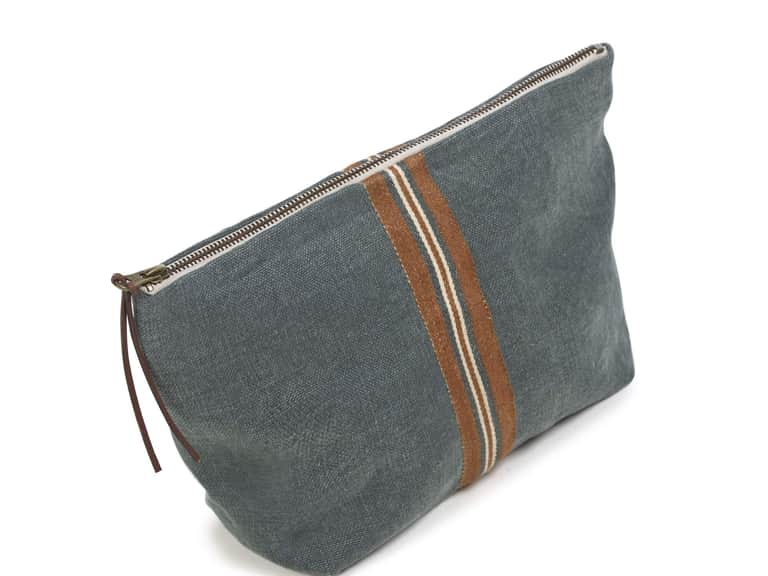
A compact pouch helps keep small items in check—from cosmetics to seeds for gardening. Linen’s texture holds the cord nicely, and a simple casing keeps seams neat.
- Prepare a rectangular panel, fold, and stitch a separate casing for the cord.
- Use a contrasting thread for a subtle accent that celebrates fabric texture.
- Finish with a small whistle-stop at the bottom for a tidy look.
3) Reusable Produce Bag: Light, durable, planet-friendly
This bag emphasizes practicality for groceries and bulk buys. Use a lighter linen (about 150–170 g/m²) to create a flexible bag that folds away easily.
- Cut a long panel; fold sides and bottom for a simple sack shape.
- Leave the top open or add a narrow channel for a drawstring.
- Choose a color or finish that signals its purpose—undyed linen reads naturally in any kitchen.
Each project invites you to consider the lifecycle of your linen: where it comes from, how it wears, and how it can be repurposed. Linen’s natural texture makes each bag unique, with small imperfections that echo a handcrafted origin story.
Care and maintenance: Keeping linen bags fresh and practical
Linen thrives with gentle handling. Wash bags in cool or warm water with a mild detergent. Avoid heavy agitation that can cause feathering at the seams. Line drying preserves the fabric’s integrity and avoids heat-induced shrinkage that can happen in tumble drying.
Iron while the fabric is slightly damp to achieve a crisp, professional finish. Linen responds beautifully to steam; a light press at a cotton setting helps set the fibers back into place after washing. A well-cared-for linen bag becomes softer and more supple over time, a quiet evolution that mirrors the bag’s growing relationship with your daily routines.
For storage, keep linen bags flat or rolled to avoid creases that are hard to remove. If you choose to fold, place a tissue between folds to minimize permanent creases. Linen resists pilling and wear when treated with patience and respect.
Upcycling and sustainability: Transforming linen into new life
The beauty of linen lies not only in its durability but in its adaptability. Old linen garments, sheets, or napkins can be transformed into stylish bags with little waste. Consider disassembling a worn linen item to harvest panels for a tote or a set of smaller pouches. The process is a mindful practice, a way to translate memory and function into modern usability.
In a broader sense, linen bag-making embodies a sustainability ethos: it emphasizes repair, reuse, and the circular life of textiles. By selecting linen and committing to careful construction, you participate in an enduring craft tradition that aligns with contemporary conversations about climate responsibility and tangible, hands-on problem solving.
Key voices across time: three figures who illuminate linen’s story
Hypatia of Alexandria (370–415 AD)
Though famous for philosophy and science, Hypatia’s era reflects a world where textiles by trade linked far-flung regions. Linen, imported from river valleys and cultivated in Mediterranean climates, connected communities through craft and commerce. Hypatia’s milieu reminds us that linen bags were not merely utilitarian; they were portable, adaptable, and essential to daily study, travel, and the exchange of ideas.
Levi Strauss (1829–1902)
A figure of practical innovation, Strauss built durable workwear and accessories in a rapidly industrializing era. Linen bags, sturdy and breathable, served laborers and travelers alike. His era underscores linen’s adaptability and resilience—qualities that translate well into modern, sustainable bag-making as a tactile, durable option for everyday carry.
Vivienne Westwood (1941–2022)
A designer who reshaped modern fashion with an emphasis on material honesty and craft, Westwood’s work celebrated textiles as expression. In linen’s quiet way, bags designed and sewn with care become wearable artifacts—functional, sustainable, and expressive of timeless taste.
Featured product: Lipe New Robe as a wearable companion to linen bags
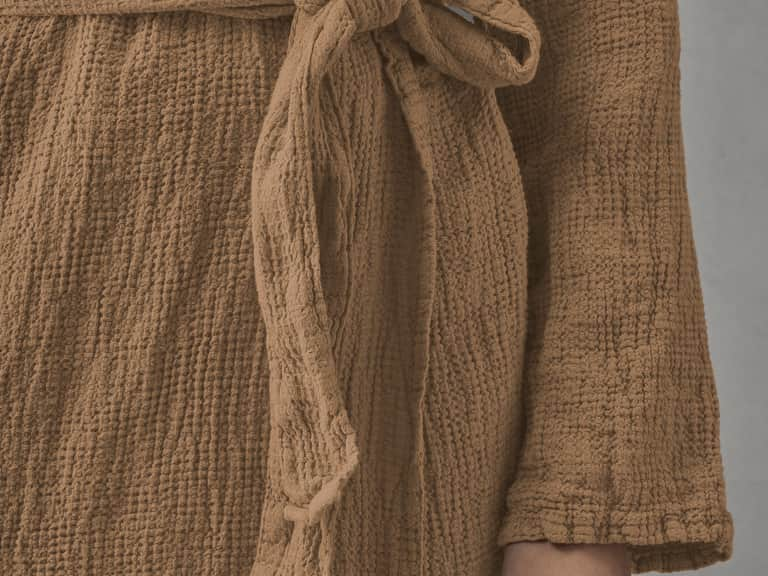
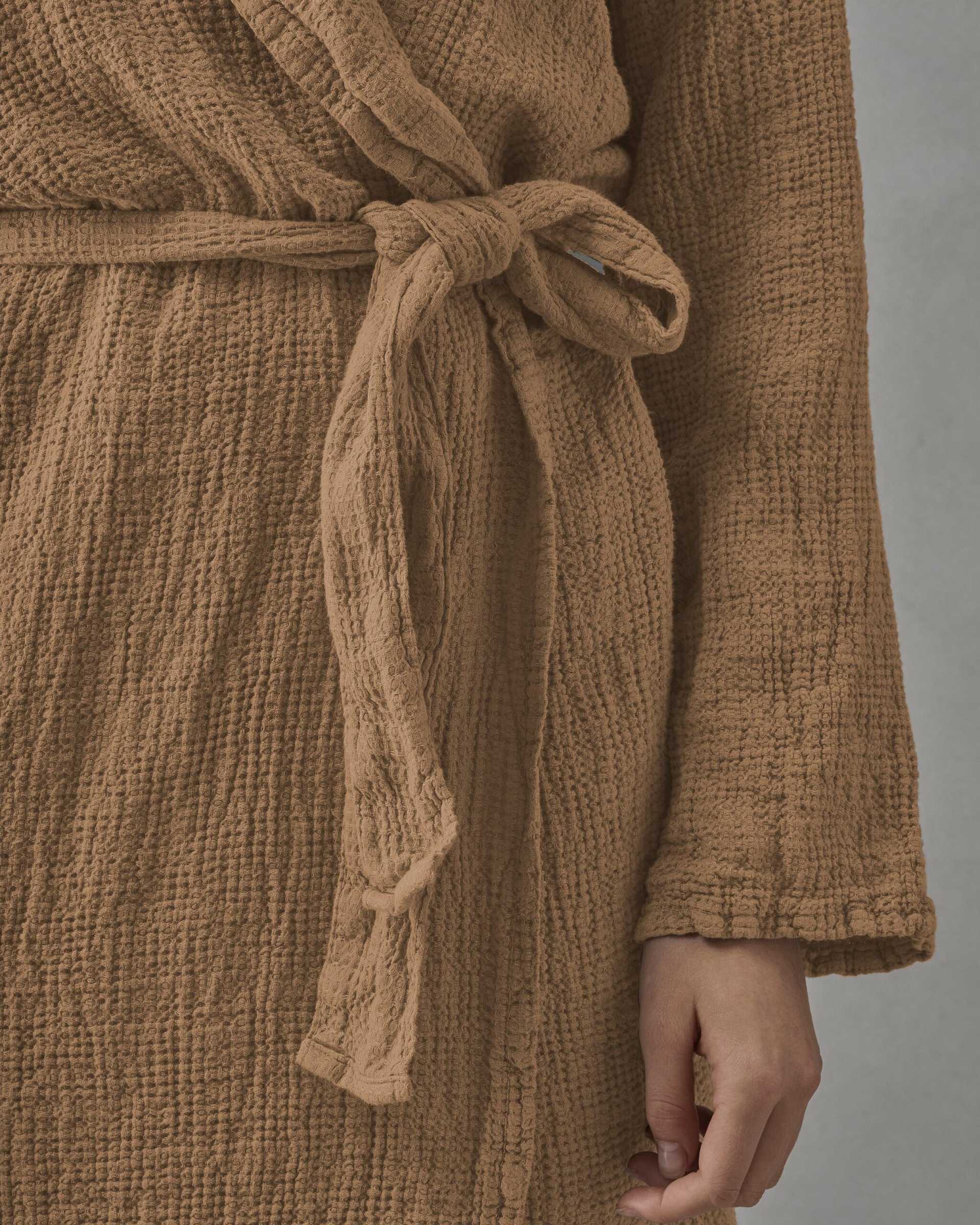
Though not a bag, the Lipe New Robe embodies the same linen virtues—waffle weave texture, breathable fibers, and a light, durable form. Its presence in a linen-centered lifestyle highlights how linen naturally extends beyond bags into a holistic approach to comfortable, responsible clothing.
The robe’s appeal lies in its practicality, a reminder that linen elevates everyday rituals—from dressing to packing and travel. The basket of linen goods—bags, robes, towels—creates a cohesive, sustainable wardrobe and home environment.
Lipe New Robe
Linen 100%
Waffle weave
A linen robe with a practical shawl collar, designed for absorbency and quick-drying comfort. Hypoallergenic and durable, it complements the linen-bag lifestyle by mirroring the same natural fiber strategy.
See it in action with a selection of complementary linen accessories that celebrate texture, warmth, and sustainable craft.
Accessibility and SEO notes for linenbags.info
This article uses clear headings, descriptive subheads, and structured sections to improve readability and navigability. For practical SEO alignment, we focus on keywords such as linen bags, DIY linen bag, eco-friendly sewing, linen care, upcycling linen, and sustainable fashion. Rich, editorial storytelling, combined with practical tutorials, helps attract DIY enthusiasts while inviting readers to explore linen’s heritage.