Bedding • Buying Guide
What to Look for in a Naturepedic Organic Duvet Cover
A duvet cover is the layer you touch every night, the protective shell around a comforter, and one of the most visible textiles in a bedroom. Choosing well means looking beyond color: fiber, fabric weight, dimensions, closure details, and laundry habits all influence how it feels and works over time.
Naturepedic’s organic linen duvet cover set brings together European-grown flax, a breathable woven fabric, and a practical set of features. Knowing what those details mean—and how they compare with your own comforter and routine—can help you decide whether this kind of cover is a suitable fit.
Start with the job a duvet cover needs to do
A duvet cover is a removable textile case for a duvet insert or comforter. It helps shield the insert from body oils, everyday dust, and routine handling, while giving the bed a finish that can be washed or changed without replacing the heavier layer inside. That simple arrangement makes the cover both a practical household textile and a defining part of a sleep environment.
Before comparing materials, consider how you use your bed. Do you tend to sleep warm, or prefer a heavier, enveloping feel? Is the bed made daily, or does the cover need to look relaxed without much adjustment? How often are you prepared to wash and dry it? Answers to these questions help translate product details into everyday expectations.
A fabric described as breathable, for instance, may be appealing to someone who wants airflow and a less clammy feel. But comfort is personal: room temperature, sleepwear, mattress layers, and the insert itself also affect warmth. No single fabric feature guarantees the same experience for every sleeper.
Understand the fiber behind the fabric
Linen is made from flax, a plant cultivated for its strong fibers. Once processed and woven, those fibers form a textile with a characteristic texture and drape. Linen is often valued for its airflow and moisture management, along with a naturally relaxed surface that can become softer with use. Its appearance may be less uniformly smooth than tightly woven cotton, a quality some people enjoy and others may find unfamiliar at first.
Naturepedic describes its duvet cover fabric as 185 grams per square metre (gsm) and made from GOTS-certified organic flax linen. The flax is grown in France, and the cover is made in India in a GOTS-certified organic facility. This sourcing information distinguishes where the raw material comes from and where the finished textile is produced—details worth reviewing when traceability matters to you.
Organic certification can provide useful information about production standards, but it is not a substitute for considering the complete product. A certificate applies within its stated scope; it does not automatically tell you how a fabric will feel, how long it will last in your home, or whether its dimensions suit your insert. Those questions still deserve a close look.
Nor should linen be judged by cotton-style thread-count expectations. The way linen feels depends on several factors, including yarn, weave, finishing, and fabric weight. At 185 gsm, the stated weight offers a more concrete point of comparison than an unfamiliar thread-count figure. It can help you compare linen options, though it cannot by itself predict softness or warmth.
Think about weight, hand, and seasonal comfort
Fabric weight describes how much a given area of cloth weighs. In everyday terms, it helps indicate whether a textile is relatively light or substantial, but it should not be treated as a complete measure of comfort. Two fabrics with similar weights can feel different because of their weave and finish. A duvet cover also sits over an insert, so the combined bedding—not the cover alone—shapes the bed’s overall warmth.
The Naturepedic duvet cover is described as having a weighty yet breathable texture. That balance may suit someone who wants a linen layer with a noticeable presence but does not want to rely on a dense, heat-trapping cover. The listing also describes linen as moisture-wicking and breathable. These are material characteristics often associated with linen, but personal results can vary with climate, bedding layers, and individual comfort.
Expect linen’s surface to look and feel different from a crisp, highly uniform percale or a silky sateen. Its visible texture is part of its appeal for many households, while its relaxed character may mean that a perfectly smooth, sharply pressed bed takes more effort to maintain. Consider whether you like a lived-in look, particularly if you prefer to let the fabric air-dry or iron only occasionally.
One practical way to decide is to compare how you respond to linen pillowcases or sheets, if you already own them. They cannot replicate the exact feel of a full duvet cover, but they can give you a useful sense of linen’s texture against skin and how it changes after laundering.
Measure the insert, not just the mattress
Fit is one of the most important parts of a duvet cover buying guide. A cover needs to accommodate the insert, and the bed’s mattress size is only an indirect clue. Inserts sold for the same mattress size can differ in dimensions, loft, and fullness. Before choosing, check the measurements on your comforter’s label or measure it yourself while it is laid flat.
Naturepedic lists two size options: Full/Queen and King/California King. The product information gives the Full/Queen duvet cover dimensions as 90 by 92 inches and the King/California King cover as 106 by 92 inches. Compare those measurements with your insert, not simply the name of the bed size. A notably undersized cover may compress a lofty insert or make it difficult to distribute evenly; an overly generous cover can leave excess fabric and allow the fill to shift.
Some difference between the cover and insert may be intentional, depending on the desired drape and the insert’s loft. Still, a close match generally makes the bed easier to arrange. If you are replacing only the cover, retain the insert’s dimensions before shopping. If you are buying a new insert as well, check both product specifications and consider how much coverage you want along the sides of the mattress.
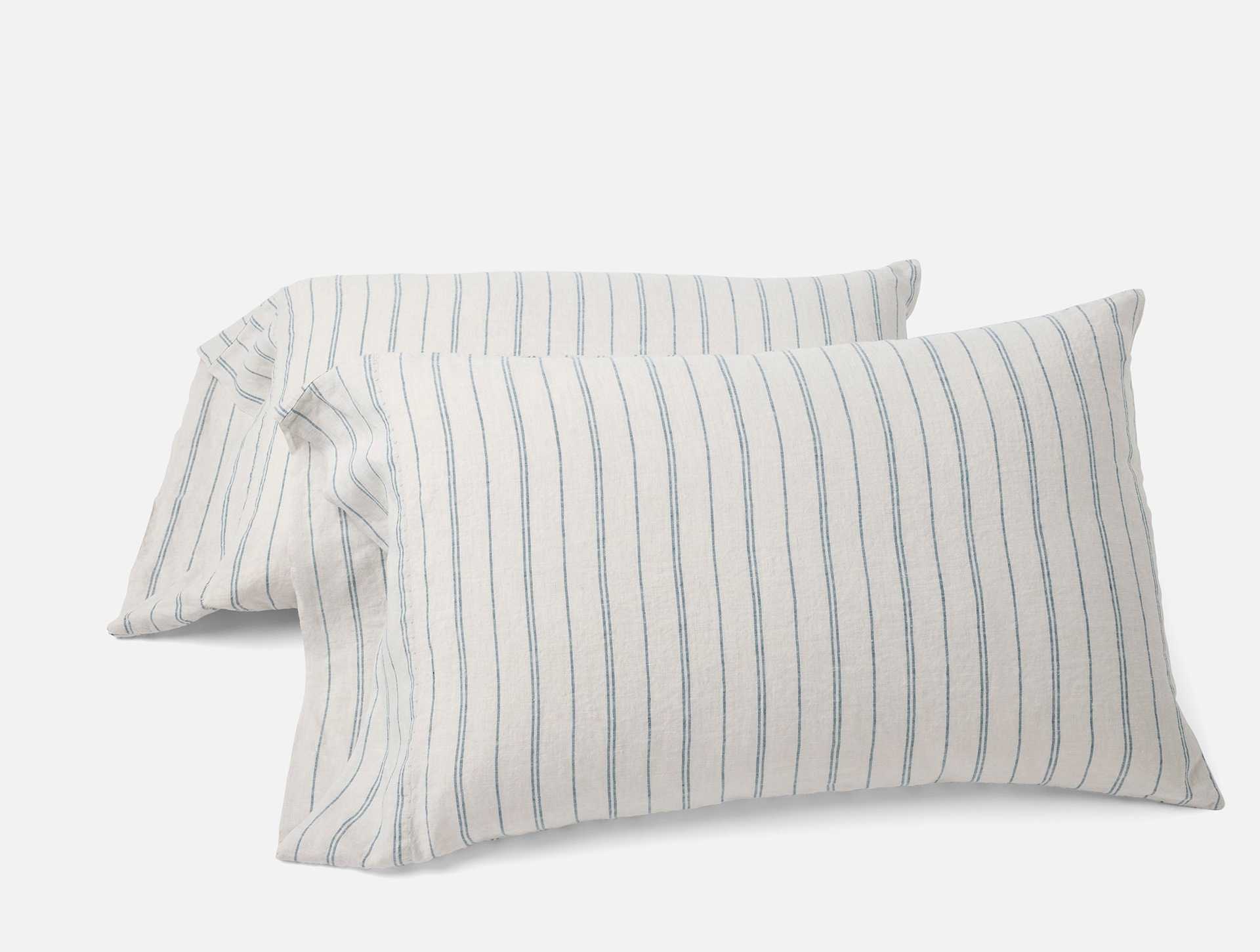
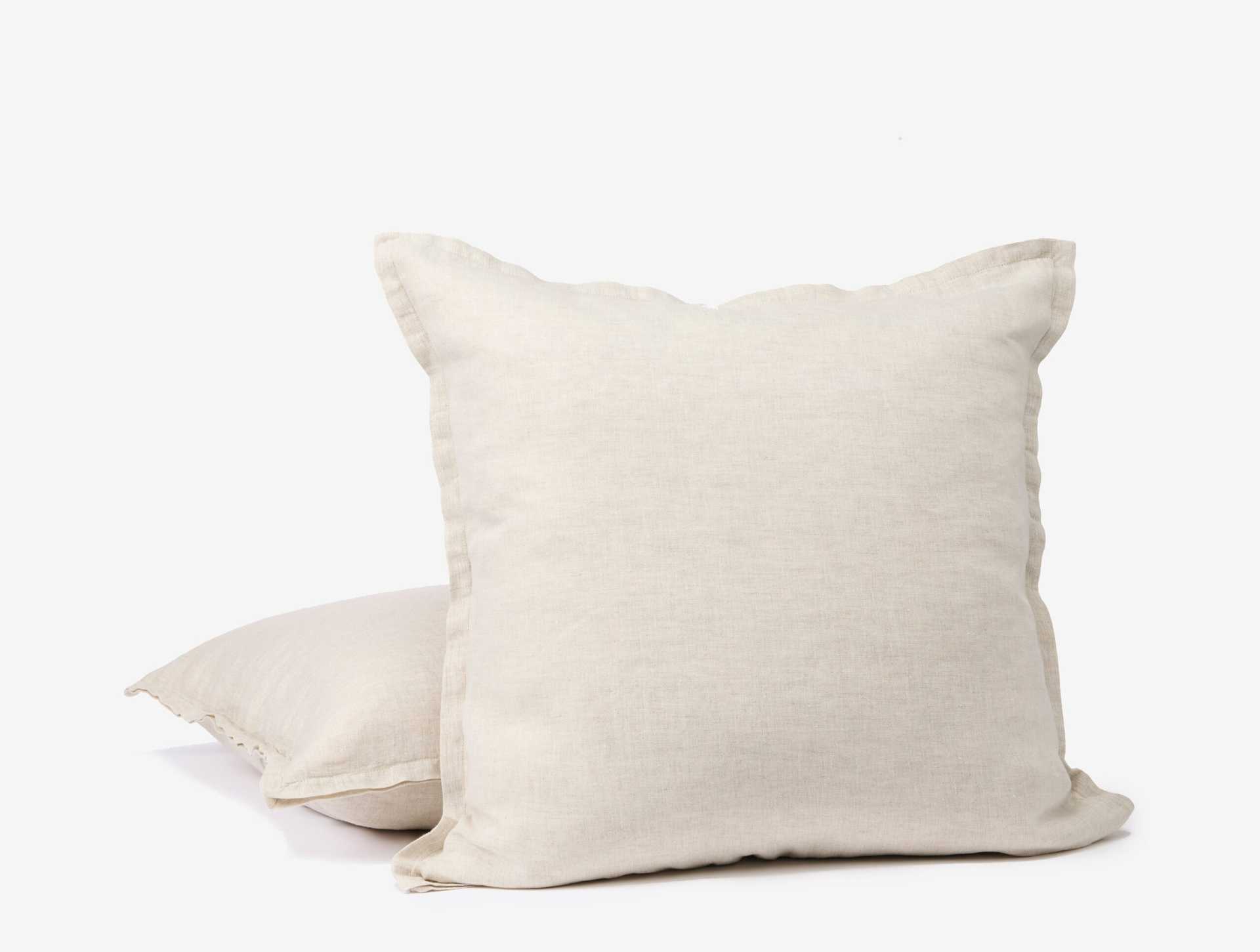
Also check the pillow-sham dimensions if you plan to use the set as a complete bedding arrangement. The listed set includes two shams, with Standard/Queen shams measuring 20 by 28 inches and King shams measuring 20 by 38 inches. Confirm that these correspond to the pillows you have, since pillow labels and actual measurements can differ across regions and manufacturers.
Look closely at ties and other closure details
Inside a duvet cover, small construction details can make a noticeable difference. Corner ties are included with the Naturepedic set to help secure the insert. Ties connect the insert’s corners to the inside of the cover, reducing the tendency for the fill to slide toward one end or bunch in a corner during sleep or when the bed is made.
To use them, place the insert inside the cover, align its corners, and fasten each tie to a corresponding loop or corner point. If your insert has no loops, you may be able to secure it with a carefully made attachment, but avoid tying in a way that strains the fabric or damages the insert. The tie system helps with positioning; it does not eliminate all shifting, particularly if the insert and cover are substantially different in size.
Also find out how the opening closes. A button, zipper, or other fastening affects how quickly you can change the cover and how securely the opening stays shut. The supplied product details identify corner ties but do not specify the type of bottom closure, so verify that detail with the current listing or seller before purchase if it matters to you. This is a useful reminder that a feature you care about should be confirmed rather than assumed.
When inspecting any duvet cover, look for sturdy seams and closures that are easy to operate. A secure closure helps keep the insert contained, while well-finished seams help the cover withstand repeated handling and washing. These construction choices are easy to overlook when browsing colors, but they influence how convenient the set is to live with.
Check what the set includes
Set contents can vary considerably among bedding listings. Naturepedic’s organic linen duvet cover set includes one duvet cover and two pillow shams. It does not list a comforter or duvet insert as part of the set, so plan on using a compatible insert you already own or obtaining one separately. The shams are coordinated companions, but they are not a replacement for checking pillow size and fit.
Reading the included-items list prevents a common misunderstanding: a duvet cover set is not necessarily a complete bedding bundle. If you are furnishing a bed from scratch, make a short inventory of the layers you still need, such as an insert, sheets, pillowcases, or extra pillow covers. That helps keep your comparison focused on what is actually included rather than what a product photograph or name might suggest.
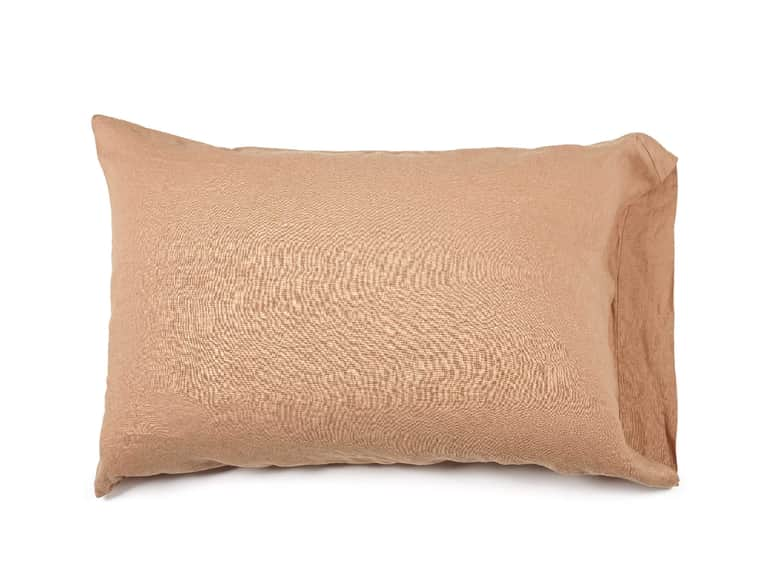
Color deserves attention, too. The Naturepedic listing identifies Arctic Snow, Beige, Harbor Island, and Forest Canopy among its available colors. A shade can appear different under store lighting, on a screen, or beside your existing sheets. If color coordination is important, compare the written color names and, where possible, assess samples or current product images in natural light. Linen’s texture can also make color appear subtly varied across the surface.
Make sure the care routine works for you
A textile’s care instructions are part of its practical value. Naturepedic’s listed care guidance for the duvet cover is to machine wash warm, tumble dry low, warm iron if desired, and avoid bleach. This routine may be straightforward for many households, but it is worth comparing with the care habits and equipment you actually have.
Before washing, check the sewn-in label and the most current care information supplied with the item. Separate similar colors, avoid overloading the machine, and use a detergent suited to your household needs. A gentle approach can help limit unnecessary abrasion. If you choose to iron, the guidance specifies a warm iron; test an inconspicuous area if you have questions about how the finish responds.
Drying deserves particular attention. Low heat is specified, and removing bedding promptly can help reduce deep creases. If you prefer a crisp, smooth finish, ironing may be part of your routine. If you welcome linen’s natural rumple, you may be comfortable with a less pressed result. Neither approach is inherently more authentic: the best routine is the one that follows the care label and suits your household.
Avoid bleach as directed. When a stain occurs, treat it promptly with a method appropriate to the fabric and the stain, and test any treatment cautiously. Strong chemicals or aggressive scrubbing can affect color and fiber. For persistent marks, consult the care instructions or a professional cleaner rather than improvising with an unverified remedy.
Good care is also a way to extend usefulness. Launder bedding when needed rather than relying on unnecessary cycles, and store the cover fully dry in a clean, breathable place. A duvet cover is designed to be used and washed, but careful handling helps preserve its appearance and construction through repeated laundering.
Consider the broader sustainability picture
Organic flax and certification are meaningful points of comparison for shoppers seeking information about materials and production. Naturepedic identifies the linen as GOTS-certified organic and notes that the flax is grown in France. The finished goods are made in India in a GOTS-certified organic facility. These details help describe the supply chain, but responsible purchasing also involves how long a product is used and how well it fits the buyer’s needs.
A durable item that is cared for and used over many years may be more useful than a less suitable product that is quickly replaced. Choose a size that fits your insert, a color you expect to live with, and a fabric you are comfortable maintaining. If the cover works with bedding you already own, that compatibility may reduce the need for additional purchases.
Environmental claims should be read precisely. Certification can help provide assurance about defined standards within its scope, but no single label tells the entire story of farming, processing, transport, packaging, or product lifespan. When a particular impact is important to you, look for specific, verifiable information rather than relying on broad phrases such as “eco-friendly” alone.
A practical checklist before you choose
Before deciding, use this short checklist to connect the product specifications with your own bed and routine:
- Material: Confirm whether the listed fabric is 100% linen and review the organic certification details.
- Weight and feel: Note the stated 185 gsm weight and decide whether linen’s textured, relaxed character suits your preferences.
- Dimensions: Measure your insert and compare it with the 90-by-92-inch Full/Queen or 106-by-92-inch King/California King cover.
- Fastening: The set includes corner ties; confirm the opening closure if you have a preference for buttons or a zipper.
- Contents: Expect one duvet cover and two pillow shams; verify pillow sizes and remember that the insert is not listed as included.
- Care: Check that warm machine washing, low tumble drying, optional warm ironing, and avoiding bleach fit your laundry routine.
- Color: Compare the available shade with your existing bedding and the light in your room.
- Current details: Recheck the seller’s live listing for availability, specifications, and any updates to care or closure information.
The right cover is the one that works in daily life
Naturepedic’s organic linen duvet cover offers a clearly described set of material and use details: GOTS-certified organic flax grown in France, linen fabric at 185 gsm, a finished product made in India in a certified facility, corner ties, two included pillow shams, and a machine-washable care routine. Its listed sizes and colors provide a useful starting point for comparing it with other options.
The final decision comes down to fit and habit as much as fiber. Measure the insert, make sure the included pieces suit your pillows, and consider whether linen’s breathable, textured character feels right for your sleep environment. Check the closure details if they are important, and read the current care label before laundering. With those basics settled, a duvet cover becomes less of a decorative choice made by color alone and more of a well-matched layer—one that can serve the bed through changing seasons and repeated nights of use.